
Emotional Agency
We are all designed to feel and experience emotions; it is an unavoidable and hard-wired aspect of being human.
Whether we like it or not, our feelings and emotions let us know how someone or something is affecting us; there aren’t many other feedback systems that are so reliable, instant, and capable of informing us in such an attention-grabbing way.
The relationship we have with our past, present and future feelings and emotions is central to the current state of our overall health, not just our emotional well-being.
This is where the subject of Emotional Agency takes centre stage.
I describe Emotional Agency as the capacity to independently feel and emote, to make our own free choices about what and how we feel and emote, and to actively deepen the relationship we have with our emotions.
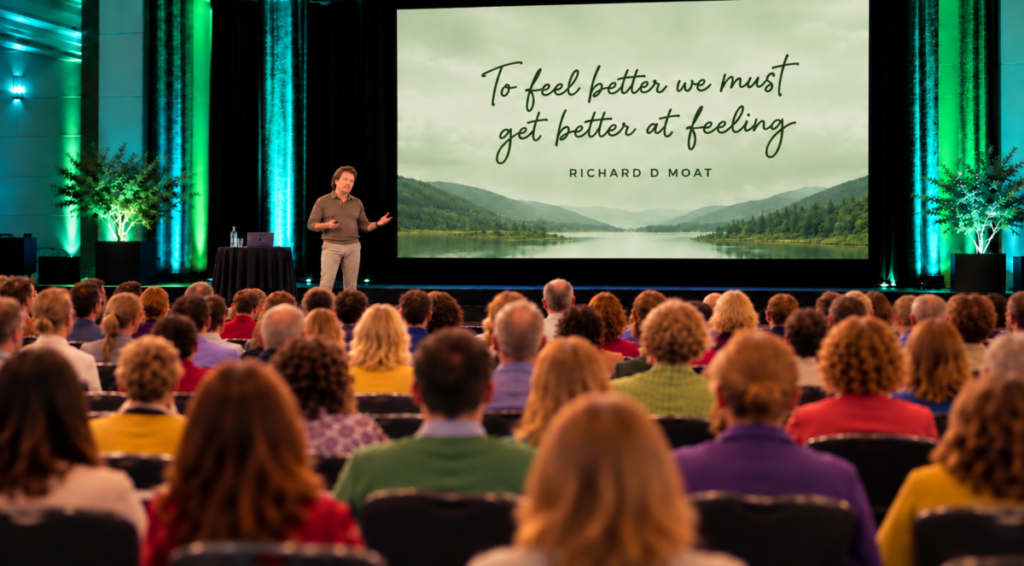
And based on my research, here are what I believe to be the most common indicators of Emotional Agency - I refer to them as 'The 7 Signs of Emotional Agency':
- Having a sense of control and confidence over what and how we feel, positively engaging with our feelings and emotions when they arise
- Demonstrating flexibility and self-assurance when disturbing, destabilising or distressing feelings and emotions surface
- Possessing the belief and confidence that we will always be able to regulate and integrate our feelings and emotions
- Accepting we are the authors of our emotional present and future
- Acknowledging the role previous generations have played in co-authoring the origin story of our emotional past
- Possessing the willingness and ability to resolve unwanted feelings linked to past events that carry the potential to influence the trajectory of our future
- Being an advocate for taking personal responsibility for how we individually feel, regardless of what may seem to contradict that notion
One of the biggest hurdles to us regaining, attaining, enhancing and maintaining our Emotional Agency, is fear, in particular the fear of what will happen if we engage with the feelings and emotions we'd rather not feel.
Fear our feelings and emotions, and behaviours such as denial, suffocation, avoidance, suppression and repression develop, which makes for an adversarial relationship with them and pushes Emotional Agency further out of reach.
Love our feelings and emotions – which makes for an amicable relationship with them – and not only are denial, suffocation, avoidance, suppression and repression less likely, but good physical and mental health, together with states such as acceptance, peace, ease and equanimity, are more easily achieved; all of which bring us closer to enjoying and experiencing greater Emotional Agency.
When Emotional Agency becomes a priority, our choices can become more conscious, more measured, and their consequences carry less fear, which in turn helps craft and curate a more rewarding life.
That said, the how in 'How do I regain, retain, enhance and maintain my Emotional Agency?' is a question many struggle to find an answer to.
Pleasingly, I have searched for and found numerous answers to this question. If you are interested in hearing what those discoveries are, I invite you to subscribe to my Lessons In Emotional Agency, which will not only give you access to some of the most valuable lessons I’ve learned and taught over the years, but also inform you of what I’m authoring, sharing, broadcasting, teaching, and where I’m appearing.
To your emotional excellence, agency, well-being, mastery and beyond…